Serving all of Florida
Florida Rideshare Accident Lawyer
Uber and Lyft crashes hide a $1M policy. The insurance company’s job is to keep you from it. I spent nearly two decades on their side.
— Emanuel Galimidi, former insurance-defense attorney
Main Office Miami · In person or by video, anywhere in Florida

What insurance covers an Uber or Lyft accident in Florida?
The insurance in a rideshare crash depends on what the driver's app was doing at the moment of the crash. If the app was off, only the driver's personal car insurance applies. If the app was on but the driver was waiting for a ride request, Uber and Lyft carry a small backup liability policy (the insurance that pays people they hurt): about $50,000 per person and $100,000 per accident. If the driver was on the way to a passenger or had one in the car, a $1 million liability policy applies. Uninsured driver coverage (UM/UIM), which pays when the driver who hit you has no insurance, or not enough, may also be available; how much depends on the policies and circumstances.
You usually have two years to file in Florida (Fla. Stat. § 95.11(5)(a)). Florida's no-fault coverage, called PIP (§ 627.736), still applies in 2026. Your own PIP pays first, up to $10,000, as long as you see a doctor within 14 days.
These claims are won or lost on pinning down exactly what the app was doing. That is one of the first things the rideshare company's insurance company will try to argue about.
Florida rideshare crash — the facts that matter
- Deadline to file
- 2 years from the crash (shorter vs. a government vehicle)
- Get treated within 14 days
- Required to keep your PIP medical benefits
- Which policy pays
- Up to $1M from Uber/Lyft when the ride is active
- What it costs
- Free case review · no fees or costs unless we recover for you
What they do
What Uber & Lyft's insurance company does after your crash
The same moves show up on almost every claim. Each one is built to pay you less. If you spot them early, you can get the right number instead of their first offer.
Dispute the app status
They argue the app was off, or in a phase with less coverage, to push you off the $1M policy and onto the driver’s small personal one.
Point you at the wrong policy
The rideshare insurance company and the driver’s personal insurance company each say the other one pays. They hope you give up in the gap between them.
The quick, low offer
A fast check before the $1M coverage is confirmed. It is designed to close your claim for a fraction of what the right policy would pay.
Coverage map
How much insurance is actually on the table?
It depends entirely on what the driver’s app was doing the second you were hit. That’s exactly why the insurance company fights over the phase.
Every phase with the app on also requires PIP under Fla. Stat. §627.748. That law also addresses uninsured driver coverage (UM/UIM) by incorporating Florida’s UM statute, §627.727, so what is available in a given crash depends on the policies and circumstances. Florida lets personal car insurance policies leave out rideshare driving. So the rideshare company (TNC) policy is often the only insurance in force during a trip. These figures are the minimums the law requires. I will confirm the actual coverage in your case.
After a crash
What to do in the first days
Report in-app + 911
Report the crash inside the Uber/Lyft app and call 911. That puts the trip in their records for good.
Screenshot the trip
Save the ride details, the driver's name, and the app status before they vanish. That proves which policy applies.
See a doctor in 14 days
Florida's no-fault coverage (PIP) requires you to see a doctor within 14 days. It also ties your injuries to the crash.
Call before you accept
If you sign a release, it ends your claim forever, on every policy at once: the driver’s and the $1M one. Get advice before you sign anything.
Florida law
The rules that decide your claim
2-year deadline
Florida generally gives you 2 years from the crash to file an injury lawsuit. Wait too long and the claim is gone.
PIP & the 14-day rule
Your own PIP covers your first medical bills, but only if you see a doctor within 14 days of the crash.
Comparative fault
You can still get paid if you are 50% or less at fault, but your share of the blame is taken out of what you get. How the fault is split is often worth fighting over.
The three coverage periods
The driver’s word doesn’t decide which phase applies. Uber and Lyft’s trip records show it to the second. I request those records before the insurance company settles on its story.
Related pages: Uninsured motorist coverage · Car accidents
A recent result
Their offer wasn't the real number.
Rideshare · their first offer: $50K
One of several recent recoveries by the firm. Each case is different and past results do not guarantee a similar outcome. See more results →Client reviews
What clients say
“Mr. Galimidi is an excellent attorney. He was thoughtful and determined throughout, and explained everything so I fully understood what was going on. He went above and beyond for me and my case.”
— Tawnya Martin · Avvo“Emanuel is very kind and patient. He kept me in the loop, took the time to explain everything, and really advocated for me — he put in the work and looked out for the best outcome.”
— Haley · Google“The attention to detail Emanuel has is second to none. Knowledge is power, and he has an abundance of knowledge.”
— Omar · AvvoIndividual results; outcomes vary by case. Reviews are from the firm’s Google and Avvo profiles.
In-depth guides
Specific situations, answered
Questions people ask
Florida Uber & Lyft accident FAQ
How long do I have to file an Uber or Lyft accident claim in Florida?
For most Florida rideshare injury claims, you have 2 years from the date of the crash. If you miss the deadline, you usually lose your right to get paid. So it is worth getting the trip and insurance details on record early.

Does Uber or Lyft insurance cover my crash?
It depends on what the app was doing at the moment of the crash. If the app was off, the driver’s personal policy applies. If the app was on and the driver was waiting for a ride, there is a small backup policy. If the driver was on the way to a passenger or had one in the car, Florida requires at least $1M in liability coverage.
How much does a rideshare accident lawyer cost?
You pay nothing up front. My fee comes out of the money I get for you (this is called a contingency fee). The case review is free, and you pay no attorney fees or costs unless the firm wins money for you.
Do I have to give the insurance company a recorded statement?
No. You don't have to. Those questions sound routine, but they are designed to get you on record playing down your injuries or accepting blame. Get advice before you agree to one.

What if I was partly at fault?
Florida uses a shared-fault rule. You can still get paid as long as you were not more than 50% at fault. But your share of the blame is taken out of what you get. The insurance company often argues about fault, and it is worth pushing back.

The driver says the app was off — what now?
Uber and Lyft’s trip records prove what the app was doing, and that decides which policy pays. If the app really was off, your own PIP and uninsured driver coverage (UM/UIM) may apply. Either way, don’t accept their story that only the driver’s personal policy applies until I have reviewed the trip data and your own policy.
Does a pre-existing condition hurt my case?
Not by itself. If the crash made an old injury or condition worse, Florida law says the person who caused the crash owes you for that. What does hurt a case is hiding the old injury. Be honest with your lawyer and your doctors.

Tell me what happened. The case review is free.
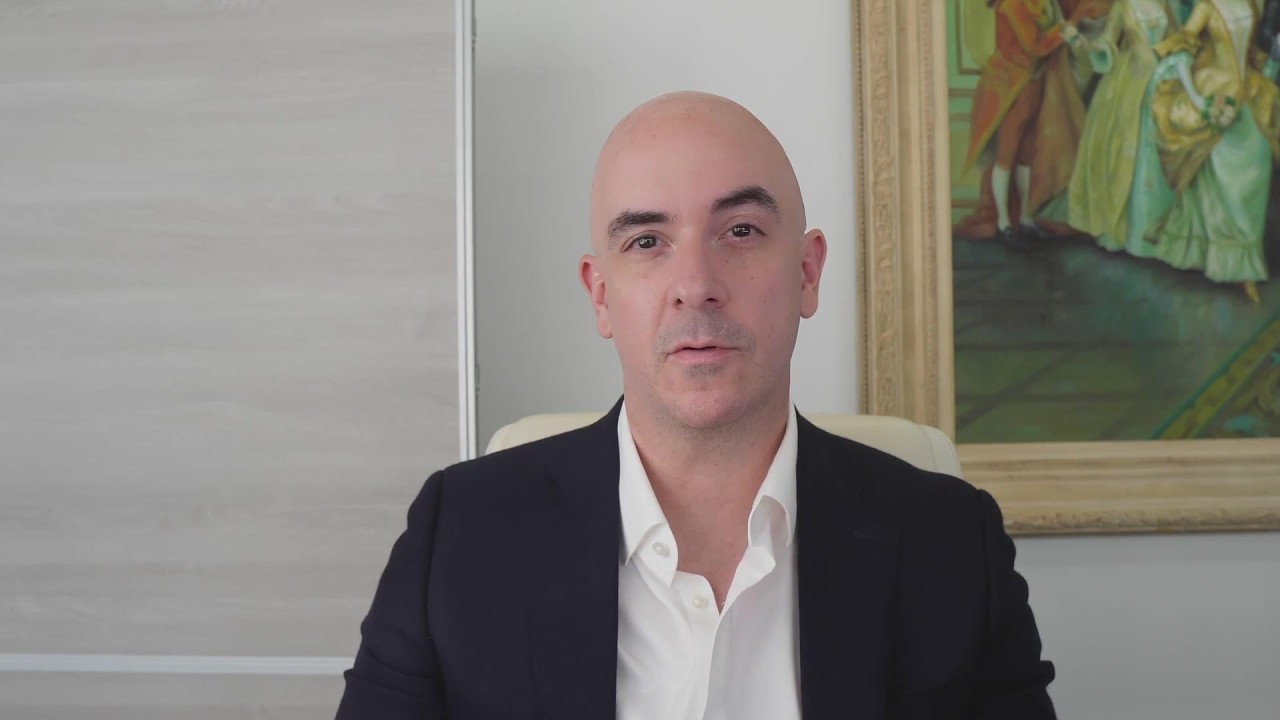
You'll talk to me, a senior attorney who spent nearly two decades working for the insurance companies. Not a case manager. No fees or costs unless we recover for you.
Call 786-442-2873