Serving all of Florida
Florida Uninsured & Underinsured Motorist Coverage
The driver who hit you had no insurance, or nowhere near enough. The coverage that saves you is your own, and the insurance company rarely tells you about it. I spent nearly two decades on their side. I know where it’s hidden.
— Emanuel Galimidi, former insurance-defense attorney
Main Office Miami · In person or by video, anywhere in Florida
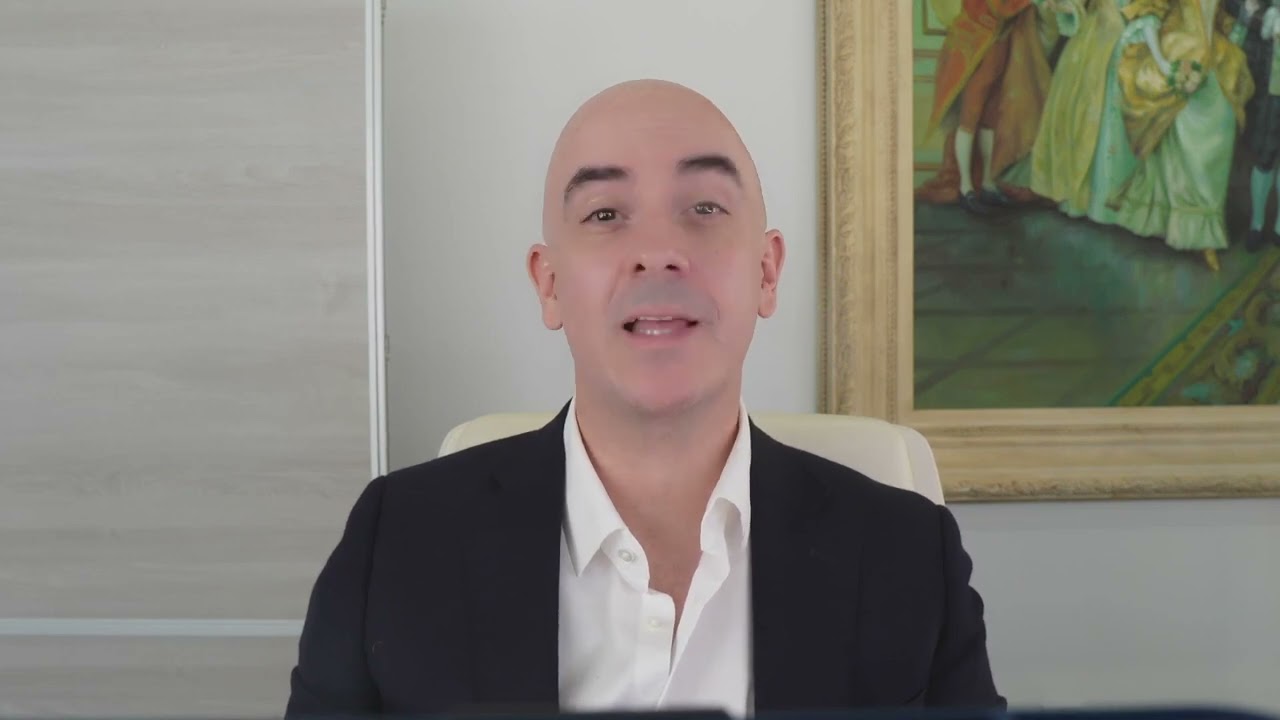
What does uninsured/underinsured motorist (UM/UIM) coverage do in Florida?
Uninsured driver coverage, called UM/UIM (Fla. Stat. § 627.727), is part of your own auto policy. It pays for your injuries when the driver who caused the crash has no insurance, or not enough to cover what you lost. Florida has a lot of uninsured drivers. So this is often the most valuable coverage you own.
Florida does not require you to carry UM. But your insurance company must offer it, and you can only turn it down or lower it by signing a form. If that form wasn't valid, you may still have UM even if you thought you said no. UM can also be 'stacked' across more than one car for a higher limit, unless you signed a form giving that up.
Florida's no-fault coverage (PIP, § 627.736) is still in effect in 2026, but it stops at just $10,000. After a serious crash, UM is what actually fills the gap. You usually have two years to file (§ 95.11(5)(a)).
UM/UIM coverage — the facts that matter
- Deadline
- The injury claim is generally 2 years; UM has its own timing
- It is your own coverage
- UM/UIM pays for your injuries when the driver who caused the crash can’t
- Default limit
- By law it equals your BI limits unless you rejected it in writing
- What it costs
- Free case review · no fees or costs unless we recover for you
What they do
What the insurance company does with the coverage you paid for
UM is coverage you already bought. The same company that took your premium is the one that fights the claim. The moves are predictable once you know them.
Sell you low limits
When you sign up, they steer you toward very little UM, or a quick form to give it up, to lower the premium. So the coverage isn’t there when you need it.
Stay quiet after the crash
When an uninsured driver hits you, nobody at your insurance company calls to say your own UM applies. If you don’t ask, the file quietly closes.
Dispute the gap & the “serious injury” test
They argue the other driver was ‘insured enough.’ Or they say your injury doesn’t pass Florida’s “serious injury” test, the test you must pass before you can claim pain and suffering. Anything to avoid paying the difference.
After a crash
What to do if the other driver was uninsured
Find your declarations page
Your policy’s dec page shows whether you carry UM and at what limit. Don’t assume you don’t have it.
Don’t accept ‘you’re not covered’
Whether you rejected UM must be on a state-approved written form. No valid form often means coverage applies anyway.
See a doctor within 14 days
PIP requires it. It also creates a record of the injury your UM claim depends on.
Get the policy reviewed first
Stacking, other cars in your household, and coverage for relatives who live with you can add up to far more than the number on your policy’s summary page (the “dec page”).
Florida law
The Florida rules that decide UM coverage
UM is built into your policy
Florida law (§627.727) puts UM in every auto policy that has bodily injury coverage, unless the person named on the policy turned it down in writing on a state-approved form.
It defaults to your BI limits
If there is no valid signed form turning UM down or lowering it, the law assumes your UM equals your bodily injury liability coverage (the insurance that pays people you hurt).
Underinsured = the gap
If the driver who caused the crash had some insurance but not enough, UM/UIM can pay the difference between the most their policy pays and what you lost, up to the most your UM pays.
Stacking can multiply it
Unless you agreed in writing to non-stacked coverage, stacked UM can add up the limits on all the cars in your household. It can also follow you as a passenger, a pedestrian, or a cyclist, not only in your own car.
Related pages: Car accidents · Uber & Lyft accidents
A real UM result
Their offer wasn’t the real number.
UM/UIM claim · their first offer: $15K
One of several recent UM/UIM recoveries by the firm. Each case is different and past results do not guarantee a similar outcome. See more results →Client reviews
What clients say
“Choosing an attorney takes much thought. I had the pleasure of one who was knowledgeable, pleasant to work with, and always considerate of me as his client. Thank you for your professionalism and honesty.”
— Shanda · Google“Emanuel was great — he helped me with my case with very detailed work ethic and communication.”
— Jorge · AvvoIndividual results; outcomes vary by case. Reviews are from the firm’s Google and Avvo profiles.
Questions people ask
Florida UM/UIM coverage FAQ
What is uninsured/underinsured (UM/UIM) coverage?
It is coverage on your own auto policy. It pays for your injuries when the driver who caused the crash has no insurance (uninsured) or not enough to cover what you lost (underinsured). It can also apply to hit-and-run crashes.
I don’t think I bought UM — could I still have it?
Possibly. In Florida, UM comes with any auto policy that has bodily injury coverage. To drop it or lower it, you had to sign a state-approved form. If your insurance company can’t produce a valid one, you may have UM at the same limit as your bodily injury coverage, even if you remember saying no.
The other driver had insurance — can I still use my UM?
Possibly. “Underinsured” means the other driver had a policy, just a small one. Say the most their policy pays is $25,000, and what you lost is far more than that. Your UIM can step in for what their policy doesn’t reach, up to the amount you bought.
Can I use UM if I was a passenger, pedestrian, or cyclist?
Often, yes. If you are named on the policy, or you are a relative living in that home, UM can follow you even when you were not in your own insured car. That includes when you were walking or on a bike.
How long do I have to bring a Florida UM claim?
The crash itself has Florida’s injury deadline (usually 2 years). A UM claim comes from your own policy, which has its own timing rules. Don’t wait. Let me review the policy and the deadlines early.
Tell me what happened. The case review is free.
You'll talk to me, a senior attorney who spent nearly two decades working for the insurance companies. Not a case manager. No fees or costs unless we recover for you.
Call 786-442-2873