Serving all of Florida
Florida Boat Accident Lawyer
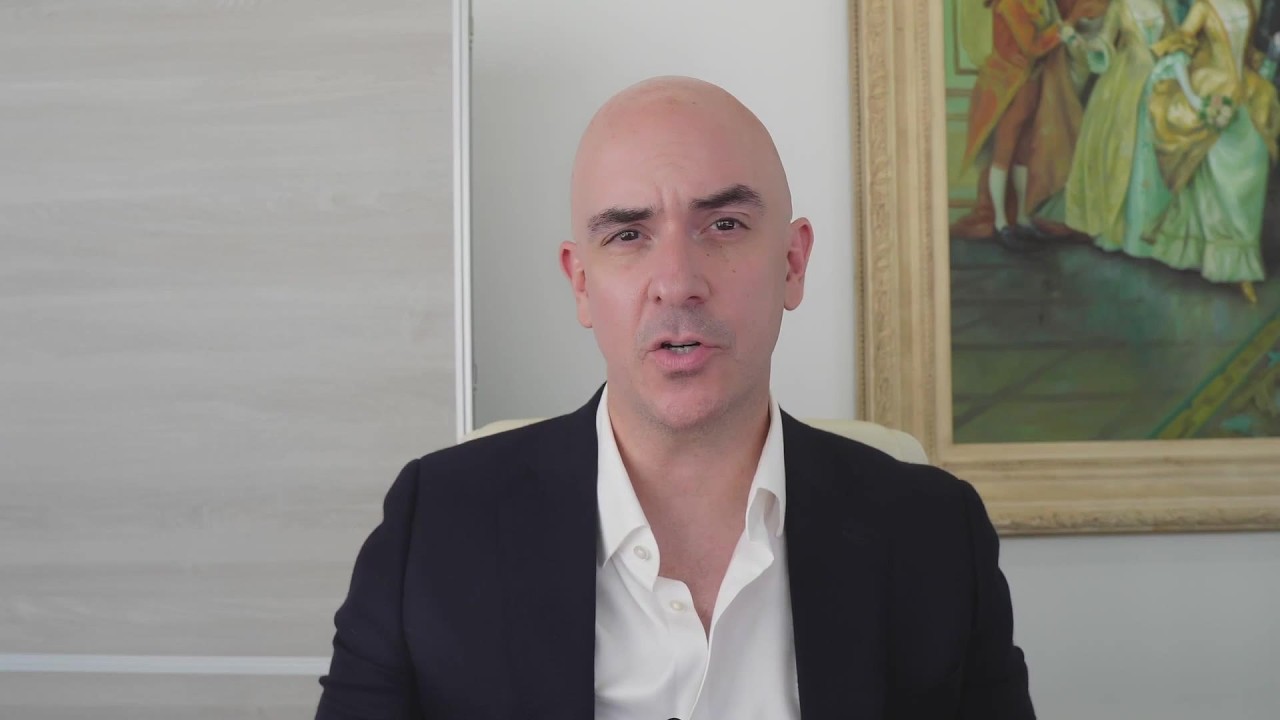
I spent nearly two decades defending insurance companies in crash cases. Now I use everything I learned to fight for you.
— Emanuel Galimidi, former insurance-defense attorney
Main Office Miami · In person or by video, anywhere in Florida
Injured in a Florida boating accident? Which law applies, and can it make the other boat prove it wasn't at fault?
It depends on where and how it happened. Getting that right early matters, because it can change both the deadline and the rules in your favor.
Many Florida boating injuries fall under state law (Chapter 327). Under that law, a boat operator must stop and help after a crash (§ 327.30). But injuries on navigable waters (waters used for boat travel) can also fall under federal maritime law. Maritime law can have a different deadline than Florida's 2-year injury deadline (§ 95.11(5)(a)). It also brings in long-standing Supreme Court rules that can put the burden of proof on the boat that caused the crash. Depending on how the collision happened, the other boat can start out presumed at fault and have to prove it wasn’t. More on those rules below.
If you were partly at fault, your payment is cut by your share. If you were more than 50% at fault, you get nothing (§ 768.81). So it's worth having the case looked at quickly.
The facts that matter
- Deadline to file
- 2 years under Florida law — maritime law may differ
- Duty to render aid
- Operators must stop and help after a crash (§ 327.30)
- Maritime presumptions
- Maritime law can shift the burden onto the at-fault vessel
- What it costs
- Free case review · no fees or costs unless we recover for you
What they do
How insurance companies try to cut what they pay
Blame the passenger
They argue you stood up, moved, or 'assumed the risk' to shift fault onto you.
Muddy the jurisdiction
They use the confusion between state and maritime law to stall, hoping a deadline slips by.
The quick, low offer
A fast settlement before the full extent of your injuries is known.
Next steps
What to do next
Report & document
Call 911 or the FWC; photograph the vessels, the water conditions, and your injuries.
Get medical care
See a doctor promptly and keep every record.
Identify the vessel & operator
Get the boat's registration, the operator's information, and any witnesses.
Don't give a recorded statement
Talk to a lawyer before the insurance company or the charter company takes your statement.
Florida law
The rules that decide your claim
Florida boating law (Ch. 327)
Florida's boating laws set the rules of the water, boat registration, and how operators must act. Those rules often decide who was at fault.
Duty to render aid (§ 327.30)
A boat operator involved in an accident must stop, help, and exchange information. Leaving can make them responsible for even more.
Maritime presumptions can favor you
When maritime law applies, Supreme Court rules that are more than 100 years old can put the burden of proof on the other side. A boat that broke loose and drifted (the Louisiana Rule), a moving boat that hit an anchored boat or a dock (the Oregon Rule), or a boat that broke a safety rule (the Pennsylvania Rule) is presumed at fault. It has to prove it wasn't.
Maritime law may apply
On navigable waters, federal maritime law can apply. Its general injury deadline is 3 years (46 U.S.C. § 30106), longer than Florida’s 2. But the fine print on a cruise or charter ticket can cut it to as little as one year. So don’t assume you have the extra time.
Track record
Results from a lawyer who knows the other side
The firm has recovered real money for injured Floridians, including confidential settlements and settlements for the most the policy pays.
Each case is different and past results do not guarantee a similar outcome.See more results →
Client reviews
What clients say
“Thank You so much You’re my Attorney for Life.”
— Tekia Jones · Avvo“Thanks to your expertise and dedication, we were able to reach a positive resolution. Your compassion, dedication, and passion to protect the best interests of your clients make you the best attorney with high ethical standards of justice and honesty.”
— Milena · Google“Emanuel is one of the best attorneys in South Florida. Schedule a call with him before going with anyone else — he will fight for you, and you want someone seasoned handling your case.”
— James · Google“All the information & sources Emanuel provided were extremely helpful. Not only was he able to talk things through with me, but followed up afterwards to touch base. Would highly refer to him to anyone who may need his expertise.”
— Priscilla · AvvoIndividual results; outcomes vary by case. Reviews are from the firm’s Google and Avvo profiles.
Questions people ask
Boat Accidents FAQ
Is my case state or maritime?
It depends on the location and facts. Because that can change the deadline and the rules, it should be evaluated quickly.
The other boat broke loose, was moving, or ignored a rule — does that help?
It can. Under maritime law, a drifting boat, a moving boat that hits something that isn't moving, or a boat that broke a safety rule can be presumed at fault. Then it has to prove it wasn't. That puts the burden of proof on the other side.
I was hurt on a rental or charter boat.
Both the operator and the rental or charter company may share responsibility, depending on the facts.
How long do I have to file?
For most Florida injury claims, you have 2 years (§ 95.11(5)(a)). Maritime claims can be different. Don't wait to find out.
Should I cooperate with the FWC report?
Yes. But get advice before you give any recorded statement to an insurance company.
Can I still get paid if I was partly at fault?
Yes, as long as you were 50% or less at fault (Fla. Stat. § 768.81). Your payment is cut by your share of the blame. The number the insurance company's adjuster gives for your share is just their first move, not a final ruling. A jury decides. The evidence from the first days is what keeps that number down.

Tell me what happened. The case review is free.
You'll talk to me, a senior attorney who spent nearly two decades working for the insurance companies. Not a case manager. No fees or costs unless we recover for you.
Call 786-442-2873