Snowbirds, families & visitors from Canada
Canadians Injured in Florida
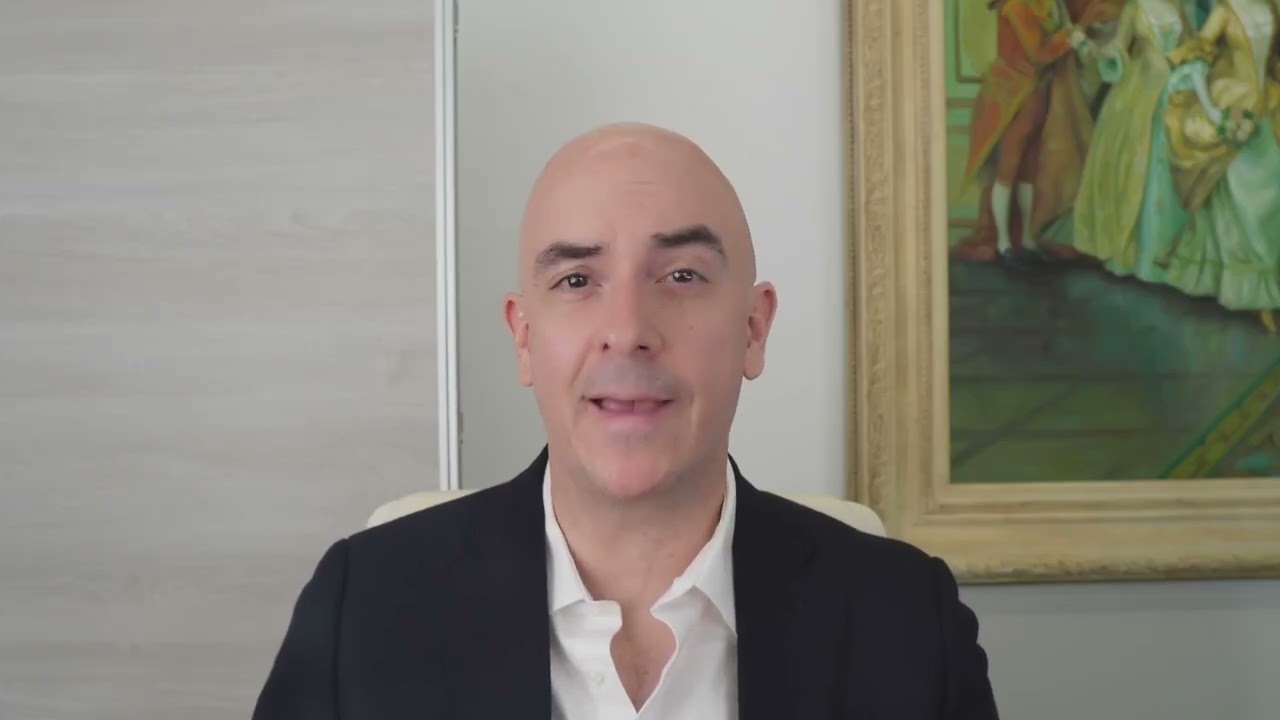
Being Canadian doesn't weaken your Florida claim. But the insurance company will act as if it does the moment you cross the border home. I spent nearly two decades on their side. I handle the Florida side. You heal at home, wherever home is.
— Emanuel Galimidi, former insurance-defense attorney
Main Office Miami · Case reviews by video from wherever you are
I'm Canadian and was hurt in Florida — can I still make a claim?
Yes. Florida law applies because the injury happened here. The insurance company for the person who caused it has to pay, whether you live in Ontario, Quebec, or Miami. You generally have two years to file (Fla. Stat. § 95.11(5)(a)).
Your provincial health plan pays only a small part of U.S. medical bills. If your travel insurance company paid, it will usually expect to be paid back out of the money you get. But a Florida claim can get you the full cost of your medical care, your lost income, and your pain and suffering. Florida does not cap pain and suffering in an ordinary injury case.
The case keeps moving after you go home. You see your Canadian doctors. Records are sent electronically. Your lawyer handles the negotiations. If you need to answer questions under oath (a 'deposition'), that is often done by video.
Canadians hurt in Florida — the facts that matter
- Deadline to file
- 2 years from the injury for most Florida injury claims
- Your provincial plan
- Pays only a small share of U.S. bills — the claim covers the rest
- Your treatment
- Continue with your doctors in Canada; the records travel
- What it costs
- Free case review · no fees or costs unless we recover for you
What they do
What the insurance company does once you're back in Canada
Distance is their favourite defence. The moves are predictable.
The 'you've gone home' slowdown
They don't return your calls and the file sits. They are betting that someone two thousand kilometres away will eventually give up.
Doubting Canadian records
They question provincial records, currency conversions, and whether your Canadian doctors 'really' connected the injury to the Florida crash.
Settling around your travel insurance
An offer just big enough to pay back what your travel insurance company is owed, and little else. So the travel insurance company gets repaid, and you are left with nothing for your injury.
After an injury
What to do before you fly home — and after
Get care in Florida first
An ER or urgent care visit creates a record of your injury here in Florida. After a car crash, seeing a doctor within 14 days also protects your no-fault benefits.
Tell your travel insurance company and keep everything
Open the claim. Save every letter and every explanation of benefits. What they paid becomes part of the Florida claim.
Keep treating in Canada
Follow up right away with your own doctors and keep every receipt, in whatever currency. Gaps in your care are what the insurance company's adjuster looks for.
Don't give a recorded statement
The adjuster will call, often while you're still travelling. Say no, politely, and let me handle that call.
Florida law
The Florida rules that decide a Canadian's claim
2-year deadline
Florida generally gives you 2 years from the injury to file an injury lawsuit, no matter where you live. Cruise lines usually set shorter deadlines in the ticket contract, and claims against government agencies have their own notice rules.
Florida law, Florida court
The injury happened here, so Florida law applies, and the case is filed in the Florida county where it happened. Florida does not cap pain and suffering in an ordinary injury case. That is different from the limits and deductibles common in Canadian provinces.
Comparative fault
You can still get paid if you were 50% or less at fault. Your share of the blame is taken out of what you get. The adjuster's number for your share is just their first move, not a final ruling.
Snowbird cars and PIP
Your Canadian auto policy generally covers you in the U.S., and its accident benefits can pay medical costs no matter who was at fault. One trap: if you keep a car in Florida for more than 90 days in a year, Florida requires you to carry Florida no-fault coverage (PIP) on it. That gap catches many snowbirds.
Related pages: Injured visiting Florida (all visitors) · Car accidents · Uninsured motorist coverage · Slip & fall
A recent result
Their offer wasn't the real number.
Car accident · their opening offer: $0
One of several recent recoveries by the firm. Each case is different and past results do not guarantee a similar outcome. See more results →Client reviews
What clients say
“A highly professional law office. Mr. Galimidi is very honest and puts great effort into his work for you — he always gets back to you by email or phone. A phenomenal attorney with a heart for people.”
— Sarah · Google“Emanuel is one of the best attorneys in South Florida. Schedule a call with him before going with anyone else — he will fight for you, and you want someone seasoned handling your case.”
— James · Google“The attention to detail Emanuel has is second to none. Knowledge is power, and he has an abundance of knowledge.”
— Omar · AvvoReviews reflect individual clients’ experiences. Prospective clients may not obtain the same or similar results. Reviews are from the firm’s Google and Avvo profiles.
Questions people ask
Canadians injured in Florida — FAQ
Do I have to come back to Florida for my case?
Usually not. The investigation, the records, and the negotiation all happen while you're home. If a lawsuit is filed, a deposition (questions under oath) can usually be done by video or timed with your next winter in Florida. You would need to be here for a trial, but most cases settle well before that.
Will OHIP, RAMQ, or my provincial plan cover my Florida bills?
Only a small part. Provincial plans pay for out-of-country care at about the rate they would pay at home. That is far below what U.S. hospitals charge. The difference, plus lost income and pain and suffering, is what the Florida claim against the person who caused it is for.
My travel insurance company paid the hospital — is there anything left for me?
Yes. The travel insurance company has a right to be paid back, out of the money you get, for what it paid. But your claim is for far more than the medical bills: lost income, future care, and pain and suffering. I negotiate that payback down. That is part of the job.
Can I treat with my doctors in Canada?
Yes, and you should, right away. Their records, bills, and scans become evidence in the Florida claim. We translate records in French and convert bills in Canadian dollars. What matters is that you keep getting care without gaps.
My car has Ontario or Quebec plates — whose insurance applies?
The main target is the liability coverage of the driver who caused the crash (the insurance that pays people they hurt). Your own Canadian policy generally follows you into the U.S., and its accident benefits can pay medical costs no matter who was at fault. If the driver who caused the crash has little or no insurance, your own uninsured driver coverage (UM/UIM) may pay. That is the part of your own policy that pays when the other driver has no insurance, or not enough. Which policy pays what depends on the wording of your policy, so send it to me early.
Will you work with my lawyer in Canada?
Gladly. Some clients already have a Canadian lawyer handling accident benefits or a travel insurance dispute at home. I handle the Florida claim against the person who caused your injury, and I work with your Canadian lawyer so the two cases don't work against each other.
How long do I have to file?
Generally 2 years from the injury. Cruise ship injuries usually have a one-year deadline under the ticket's fine print. Claims against a government agency need early written notice. So it's worth a call before you leave Florida.
Tell me what happened. The case review is free.
You'll talk to me, a senior attorney who spent nearly two decades working for the insurance companies. Not a case manager. No fees or costs unless we recover for you.
Call 786-442-2873