Serving Miami-Dade, Broward, Palm Beach and all of Florida
Florida Catastrophic Injury Lawyer
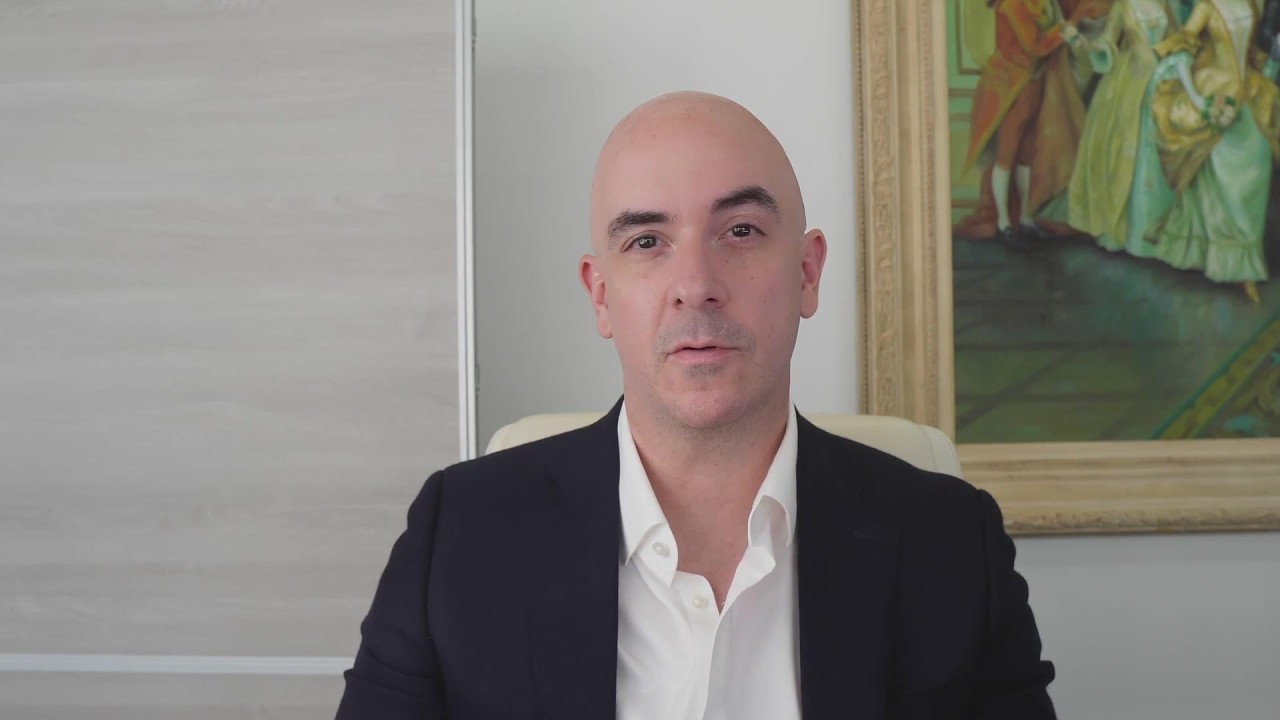
For years I defended serious injury cases for corporations and their insurers, including as head of a product liability practice group at a national defense firm. I know how they put a number on a life-changing injury, and where they look to pay less.
— Emanuel Galimidi, former insurance-defense attorney
Main Office Miami · In person or by video, anywhere in Florida

Someone's carelessness left me, or someone I love, with a life-changing injury. What can a Florida claim pay for?
A catastrophic injury is one that permanently changes how you live or work: a brain injury, a spinal cord injury or paralysis, an amputation, severe burns, or the loss of sight or hearing.
In Florida, the claim can cover the medical care you've had and the care you'll need for the rest of your life, the income you've lost and the income you can no longer earn, changes to your home and vehicle, help with daily living, and your pain, suffering and loss of enjoyment of life. Florida doesn't cap pain-and-suffering damages in most injury cases. Claims against government agencies are the main exception.
The deadline is usually 2 years from the injury. If you were partly at fault, your recovery is reduced by your share. In most negligence cases, if you were more than 50% at fault, you recover nothing.
These cases are won on the evidence of what your future will cost. Building that evidence early is most of the job.
The facts that matter
- Deadline to file
- Usually 2 years from the injury (§ 95.11(5)(a)); claims against the government need written notice first
- Pain and suffering
- No cap in most injury cases; payment on claims against the government is limited (§ 768.28)
- Future care
- Proven with your doctors and a life care plan
- What it costs
- Free case review · no fees or costs unless we recover for you
Where they come from
How these injuries usually happen
Truck crashes
The driver's logs and the truck's electronic data can be lost if no one moves to preserve them early.
Car, motorcycle and pedestrian crashes
Every policy that could pay has to be found, including your own.
Car · Motorcycle · Pedestrian →
Boat and aviation accidents
Federal investigations and maritime law can change the rules, and even the deadline.
Dangerous products
The product itself is the key evidence. Keep it, and don't send it back to the maker.
What they do
How insurance companies try to cut what they pay
They watch you
Surveillance and social media. One clip of you carrying groceries becomes “he's fine.”
They send you to their doctor
A doctor they hire examines you once, then writes that you can go back to work or that your problem was there before the accident.
They attack your future
Their experts go through your life care plan and lost earnings line by line. They also use Florida's 2023 medical-bill rules to shrink the numbers. For bills already paid, the jury hears what was actually paid, not the billed amount (§ 768.0427).
They blame you
In most negligence cases, if they can push your share of fault past 50%, you recover nothing (§ 768.81).
I recognize these moves because I spent years on the other side of these cases.
Next steps
What to do next
Get the care your doctors recommend
Insurers use gaps in treatment against you. If cost or getting appointments is the problem, tell us early.
Keep the evidence
Photos, the vehicle or product involved, and the names of witnesses.
Stay off social media
Don't post about your injury or your activities.
Talk to a lawyer first
Before you give the other side's insurance company a recorded statement, and before you sign anything.
Who pays
Finding all the insurance
These claims are often bigger than one policy. We look for every source: the at-fault party's policy and any umbrella policy, an employer, a product maker, and your own uninsured-motorist coverage.
Track record
Results from a lawyer who knows the other side
The firm has recovered real money for injured Floridians, including confidential settlements and settlements for the most the policy pays.
Each case is different and past results do not guarantee a similar outcome.See more results →
Client reviews
What clients say
“They brought exceptional legal skill, compassion, and genuine care to our case. We never felt like just another client. This firm didn’t just represent us — they stood beside us. We will always be grateful.”
— Tony Neal · Google“The kind of attorney everyone hopes to find — honest, thorough, dedicated. My situation didn’t even become a case, yet he patiently walked me through every option.”
— Rev. Sonia · Avvo“Emanuel is a very detailed professional. His communication skills are excellent. Thank you!!”
— Jorge Sanchez · Google“Emanuel is a talented attorney and an even better person. His clients will always come first, and he always acts with the utmost integrity. I wouldn’t trust anyone else with a personal injury case in South Florida.”
— Robert Meyer · GoogleReviews reflect individual clients’ experiences. Prospective clients may not obtain the same or similar results. Reviews are from the firm’s Google and Avvo profiles.
Questions people ask
Catastrophic Injury FAQ
How much is a catastrophic injury case worth?
It depends on the injury, your age and work, the care you'll need and the insurance available. It includes lost earning capacity: what you would have earned over your working life. Every case is different, and past results don't guarantee yours. The numbers have to be proven with medical, economic and vocational evidence, which is why we start building them early.
How long do I have to file?
Usually 2 years from the injury for a negligence claim (§ 95.11(5)(a)). Some claims have different deadlines, and claims against the government require written notice before a lawsuit (§ 768.28). Don't wait to find out which applies to you.

What if I was partly at fault?
Your recovery is reduced by your share of fault. In most negligence cases, if you're found more than 50% at fault, you recover nothing (§ 768.81). There are exceptions.

Is there a cap on damages in Florida?
Not in most injury cases. Claims against government agencies are the exception: payment is generally limited to $200,000 per person and $300,000 per incident unless the Legislature approves more (§ 768.28).
Will the jury see my full medical bills?
Not always. For bills already paid, Florida law limits the evidence to what was actually paid. For unpaid bills and future care, the evidence depends largely on your health insurance; for people without private coverage, it includes amounts tied to Medicare rates (§ 768.0427). That's why a careful life care plan matters more than ever.
I was hurt in a car crash. Can I still get pain and suffering?
Yes, if the injury meets Florida's threshold, such as a permanent injury, significant and permanent scarring or disfigurement, or the significant and permanent loss of an important bodily function (§ 627.737(2)). Catastrophic injuries usually qualify, but it has to be proven with medical evidence.
How long does a catastrophic injury case take?
Often longer than a typical injury claim, because the full picture of your future care takes time to come into focus. Settling too early can leave you without money you'll need later, so we look at your future needs before recommending any settlement.
Can a family member call for me?
Yes. If you can't manage the case yourself, a spouse or family member can call. We'll explain what's needed for them to act for you.
Do I pay anything upfront?
No. The case review is free, and there are no fees or costs unless we recover for you.
Tell me what happened. The case review is free.
You'll talk to me, a senior attorney who spent nearly two decades working for the insurance companies. Not a case manager. No fees or costs unless we recover for you.
Call 786-442-2873