For help after a Florida delivery crash, see how I handle car accident injury claims. I speak Spanish, and if I take your case, I handle it personally. Request a free case review.
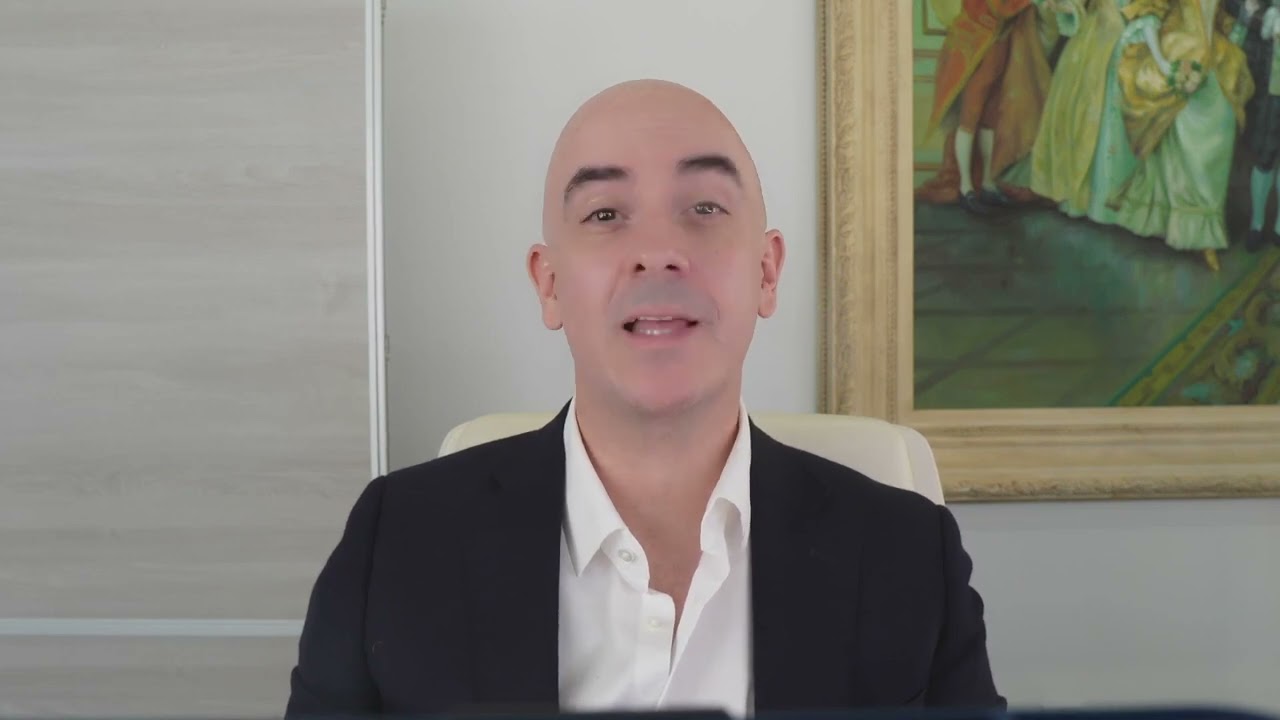
Watch: the coverage you already paid for
Why delivery crashes are different
Florida’s transportation-network-company law defines coverage around prearranged rides for riders. A driver carrying a burrito isn’t on one. So the state-mandated tiers that apply to Uber and Lyft rides — including the $1,000,000 during a trip — don’t automatically apply to deliveries. We have not found a Florida statute that sets insurance requirements for delivery drivers.
What the companies say they carry
- Uber Eats: no coverage while the driver is offline; while online and waiting, coverage “up to at least state auto insurance minimums”; while en route to pick up or deliver, third-party coverage “up to $500,000 (or more, where required).” It does not cover the driver’s own car or injuries.
- DoorDash: third-party liability coverage during an active delivery. For most states, including Florida, it does not publish the amount, and it expects drivers to keep their own primary auto insurance.
These are the companies’ own descriptions and they change. The actual policy governs, which is why it has to be requested.
The driver’s personal policy may say no
Many personal auto policies exclude driving for a delivery business. When that exclusion applies and the company’s coverage is “excess” or disputed, an injured person can be caught between two insurers pointing at each other.
Where your recovery usually comes from
- Your own PIP, up to $10,000 (80% of medical bills and 60% of lost income; $2,500 without an emergency-medical-condition finding), if you get care within 14 days.
- The delivery driver’s personal policy, if it doesn’t exclude delivery work.
- The delivery company’s policy, depending on what the app was doing at the moment of the crash.
- Your own uninsured/underinsured motorist coverage, if the driver’s coverage is excluded or too small.
If you were the one delivering
Delivery drivers are usually treated as independent contractors, and company coverage generally doesn’t pay for your own car or injuries. DoorDash has described an occupational-accident policy for Dashers; confirm whether it is still offered and what it pays before relying on it. Your own PIP, uninsured-motorist coverage, and the at-fault driver’s policy are the usual sources.
Evidence that decides these cases
The app log shows whether the driver was online, en route, or carrying an order — and that decides which coverage applies. Screenshot the order screen if you can, photograph the insulated bag or branded signage, and get the driver’s name and plate. A preservation letter to the company should follow quickly.
A former defense lawyer’s take
These claims are built to fall through the cracks: the personal carrier cites the delivery exclusion, the company calls its coverage excess, and months go by. I start by proving the app status, then force each insurer to take a position in writing. Your own UM coverage is often what gets a family paid while the others argue.
Frequently asked questions
Does Florida’s $1 million rideshare law cover Uber Eats or DoorDash crashes?
No. Fla. Stat. § 627.748 covers prearranged passenger rides. Food and grocery deliveries are not rides under that law, so its coverage tiers don’t automatically apply.
How much insurance does Uber Eats carry during a delivery?
Uber says it provides third-party coverage up to $500,000 while a delivery driver is en route to pick up or deliver, and state-minimum coverage while the driver is online and waiting. The actual policy governs.
How much insurance does DoorDash carry in Florida?
DoorDash describes third-party liability coverage during an active delivery but does not publish the amount for Florida, and it expects Dashers to carry their own primary auto insurance.
What if the delivery driver’s insurance denies the claim?
Your own PIP pays up to $10,000 (80% of medical bills and 60% of lost income; $2,500 without an emergency medical condition), and your uninsured/underinsured motorist coverage may apply when the driver’s coverage is excluded or too small.
I was hurt while delivering. Can I get workers’ comp?
Usually not; delivery drivers are generally treated as independent contractors. Your own PIP, your UM coverage, and the at-fault driver’s policy are the usual sources.
Talk to a former insurance-defense attorney
You'll speak with Emanuel Galimidi. He spent nearly two decades on the insurance side. Now he's on yours. The case review is free, and there are no fees or costs unless we recover for you.
Call 786-442-2873