Serving all of Florida
Florida Car Accident Lawyer
I spent nearly two decades defending corporations and insurance companies. Now I use everything I learned to fight for you.
— Emanuel Galimidi, former insurance-defense attorney
Main Office Miami · In person or by video, anywhere in Florida

How long do I have to file a car accident claim in Florida? And is Florida still a no-fault state in 2026?
After a car accident in Miami, you usually have two years from the day of the crash to file an injury lawsuit (Fla. Stat. § 95.11(5)(a)). It used to be four years. The law changed in 2023.
And yes, Florida is still a no-fault state in 2026. You may have heard that PIP ended on July 1, 2026. It didn't. The bills to end it never passed. So your own no-fault coverage, called PIP (§ 627.736), still pays the first $10,000 of your medical bills and lost wages, no matter who caused the crash. But you must see a doctor within 14 days.
If your injury is serious enough under Florida's rule (§ 627.737), you can also go after the driver who hit you for everything you lost, including pain and suffering. If you were partly at fault, your payment is cut by your share. If you were more than 50% at fault, you get nothing (§ 768.81).
Florida car accident — the facts that matter
- Deadline to file
- 2 years from the crash (shorter vs. a government vehicle)
- Get treated within 14 days
- Required to keep your PIP medical benefits
- Fault rule
- You can get paid if you are 50% or less at fault
- What it costs
- Free case review · no fees or costs unless we recover for you
What they do
What the insurance company does after your crash
The same moves show up on almost every claim. Each one is built to pay you less. If you spot them early, you can find out what your claim is really worth instead of settling for their first number.
The quick, low offer
A fast check before you know how badly you're hurt. It's designed to close the file for a fraction of what it's worth.
The recorded statement
Friendly questions designed to get you to play down your pain or admit some of the fault on tape.
Delay until you're desperate
Bills pile up while they wait, betting you'll take less just to make the pressure stop.
After a crash
What to do in the first days
Report & document
Call 911, photograph the scene, vehicles, and injuries.
See a doctor in 14 days
Florida's no-fault coverage (PIP) requires it. It also ties your injuries to the crash.
Don't go on record
Don't give the other driver's insurance company a recorded statement until you have advice.
Call before you settle
One review can show whether the offer is real or a lowball.
Florida law
The rules that decide your claim
2-year deadline
Florida generally gives you 2 years from the crash to file an injury lawsuit. Wait too long and the claim is gone.
PIP & the 14-day rule
Your own PIP covers your first medical bills, but only if you see a doctor within 14 days of the crash.
Comparative fault
You can still get paid if you are 50% or less at fault, but your share of the blame is taken out of what you get. How the fault is split is often worth fighting over.
Uninsured drivers
If the driver who caused the crash has no insurance, your own uninsured driver coverage (UM/UIM) may pay. It's part of your own policy. Insurance companies rarely tell you this.
Related pages: What's my case worth? · Uninsured motorist coverage · Uber & Lyft accidents
Drunk & impaired drivers
Hit by a drunk driver? Your case is different.
A DUI crash opens doors a normal crash doesn't. The insurer knows it, and it will try to settle fast and quietly to keep the word “drunk” away from a jury.
Punitive damages
Florida lets a jury punish a driver whose conduct was intentional or grossly negligent (§ 768.72). Drunk driving is the textbook example. Punitive damages come on top of your medical bills, lost income, and pain and suffering, and the usual cap on them does not apply when the driver was impaired (§ 768.736).
The bar can be liable too
Florida's dram-shop law (§ 768.125) is narrow, but real. A bar, restaurant, or store that willfully served a minor, or knowingly served someone habitually addicted to alcohol, can be liable for the crash. That is a second insurance policy, often much larger than the driver's.
The criminal case is not your case
The DUI prosecution punishes the driver. It does not pay your bills. But it helps: the arrest report, breath or blood test, body-cam footage, and any plea become evidence in your claim. Don't wait for it to end. Your 2-year deadline (§ 95.11(5)(a)) runs anyway.
A recent result
Their offer wasn't the real number.
Car accident · their first offer: $0
One of several recent recoveries by the firm. Each case is different and past results do not guarantee a similar outcome. See more results →Client reviews
What clients say
“His long experience working for the other side — the insurance companies — is absolutely invaluable when negotiating a payout.”
— Victor · Avvo“Mr. Galimidi is an excellent attorney. He was thoughtful and determined throughout, and explained everything so I fully understood what was going on. He went above and beyond for me and my case.”
— Tawnya Martin · Avvo“Mr. Galimidi took on my case after I totaled my car in an accident. He always got back to me the same day with answers and updates. I highly recommend him.”
— Jacqueline Earls · Google“He didn’t just represent me — he stood by me like family. He kept me informed and fought hard to get the best possible outcome.”
— Daniel Martindale · GoogleIndividual results; outcomes vary by case. Reviews are from the firm’s Google and Avvo profiles.
Questions people ask
Florida car accident FAQ
How long do I have to file a car accident claim in Florida?
For most Florida car accident injury claims, you have 2 years from the date of the crash. It can be shorter when a government vehicle is involved. If you miss the deadline, you usually lose your right to get paid.

What should I do after a car accident in Miami?
Call 911. Get medical care within 14 days to protect your PIP benefits. Take photos of everything. Get the other driver's insurance details. And don't give the other driver's insurance company a recorded statement before you get advice.
How much does a car accident lawyer cost?
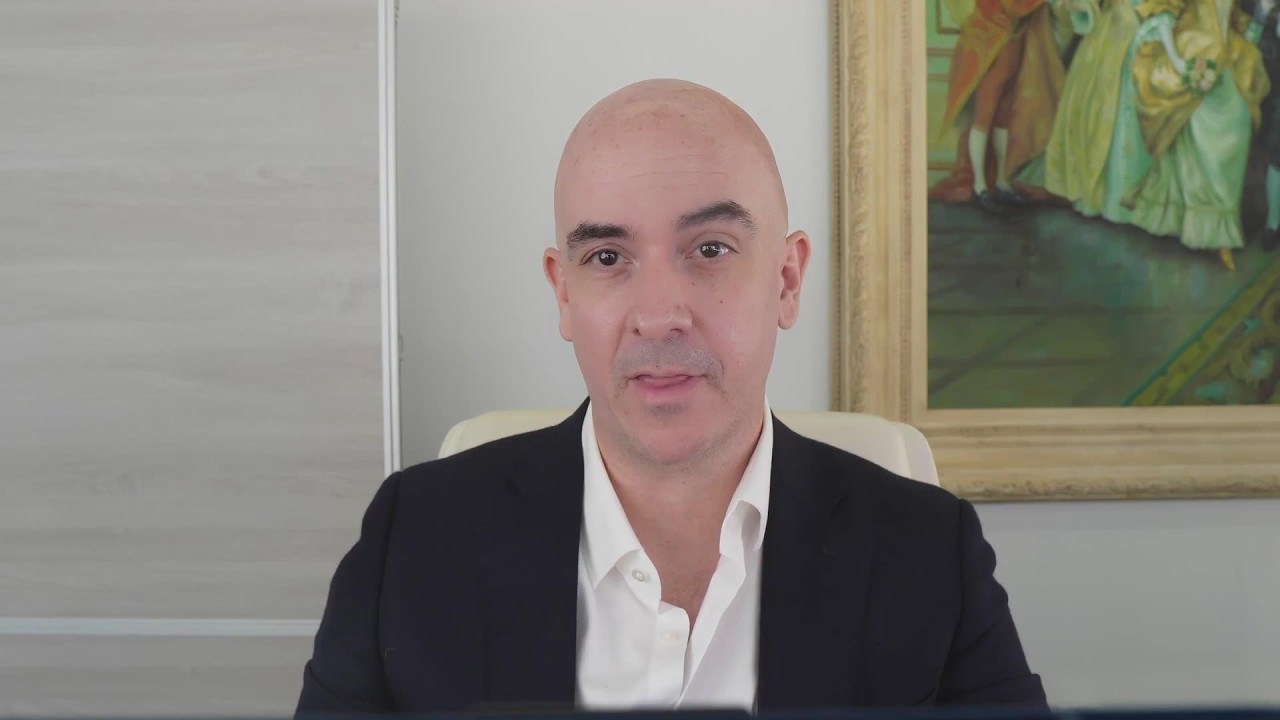
You pay nothing up front. My fee comes out of the money I get for you (this is called a contingency fee). The case review is free, and you pay no attorney fees or costs unless the firm wins money for you.
Do I have to give the insurance company a recorded statement?
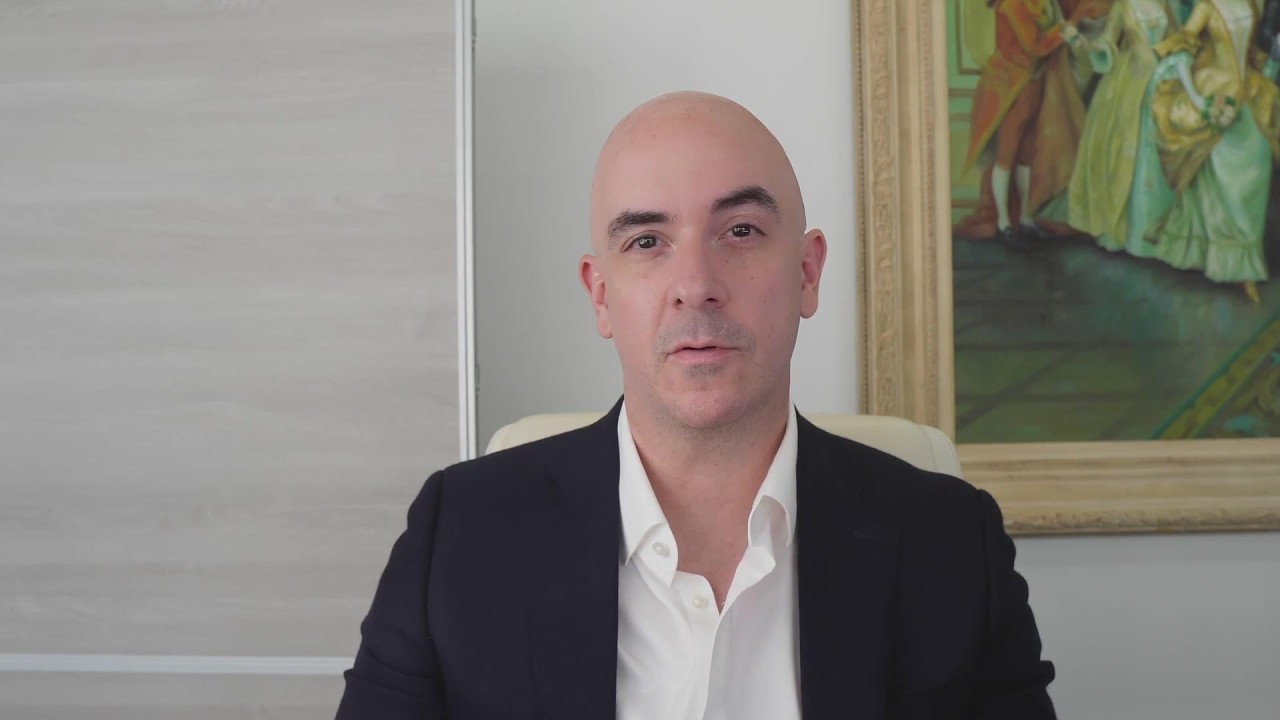
No. Your own policy may require you to cooperate with your own insurance company. But the other driver's insurance company and its adjuster have no right to record you. Say no, politely, and let me handle that call.

What if I was partly at fault?
Florida uses a shared-fault rule. You can still get paid as long as you were not more than 50% at fault. But your share of the blame is taken out of what you get. The adjuster's number for your share is just their first move, not a final ruling. We can fight it with the crash report, photos, and witnesses.

What if the other driver had no insurance?
You may still get paid through your own uninsured driver coverage (UM/UIM) plus PIP. UM/UIM is part of your own policy. It pays when the other driver has no insurance, or not enough. Insurance companies don't always point these benefits out. That's one reason to let me review your policy.
Did Florida end no-fault (PIP) insurance in 2026?
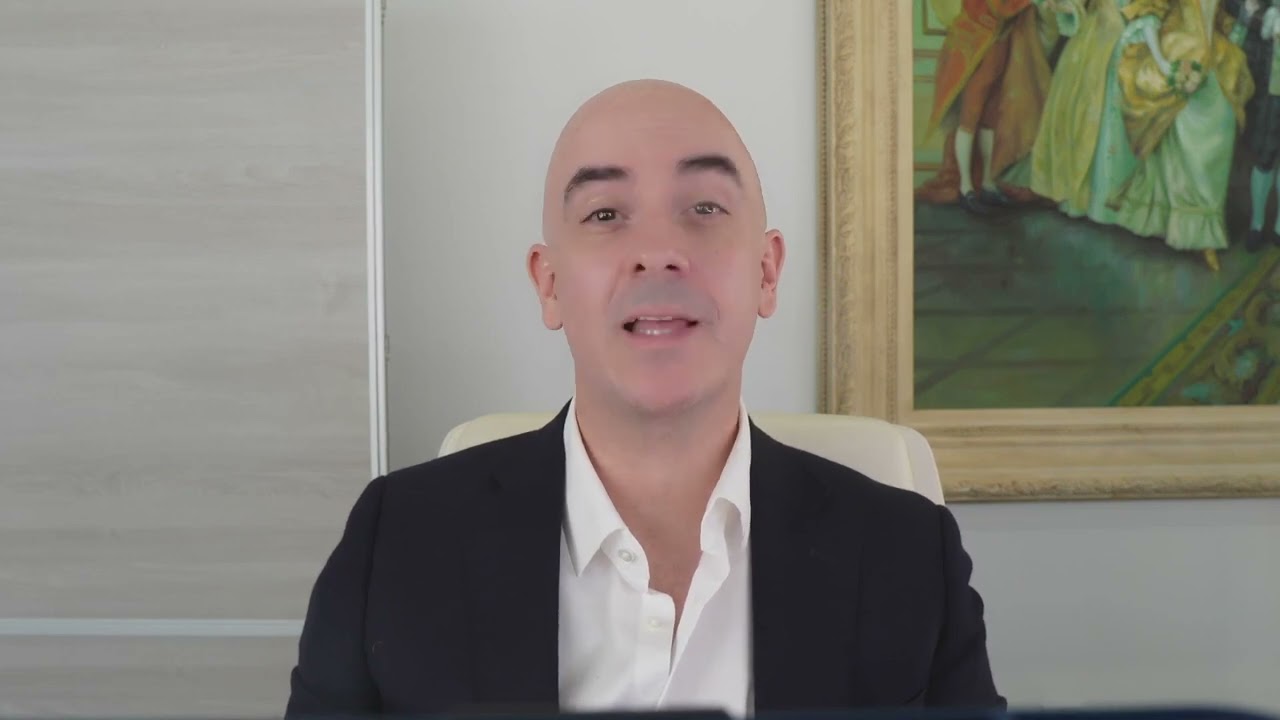
No. The bills to end it died in the Legislature. PIP is still required, and the rules for your crash have not changed. That includes the rule that you must get medical care within 14 days to keep your PIP benefits.

The driver who hit me fled — do I still have a case?
Often, yes. Report it to the police right away. Save every detail: paint marks on your car, part of a plate number, witnesses, nearby cameras. And check your own policy. Uninsured driver coverage (UM) can pay when a hit-and-run driver is never found.
What if the driver who hit me was drunk?
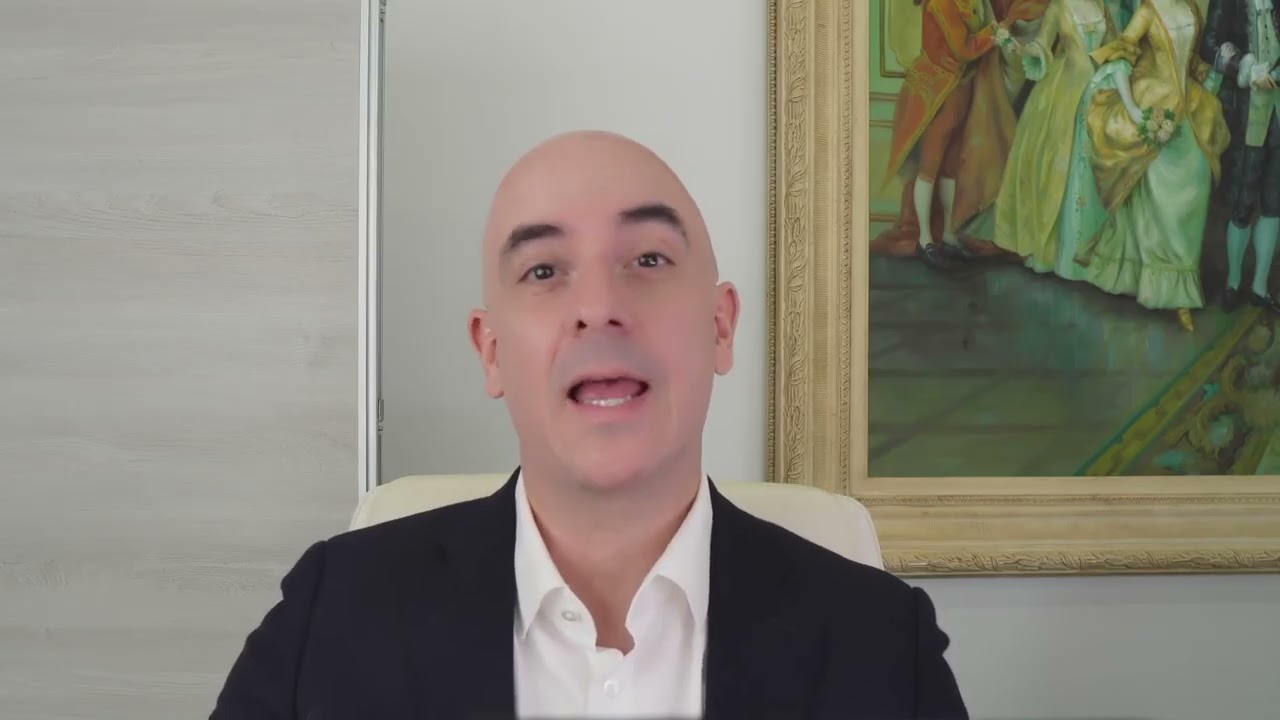
Your claim gets stronger in three ways. Florida allows punitive damages against a drunk driver (§ 768.72), and the usual cap on those damages does not apply when the driver was impaired (§ 768.736). A bar or store that willfully served a minor, or knowingly served someone habitually addicted to alcohol, can also be liable (§ 768.125). And the DUI arrest report, test results, and any plea become evidence in your case. Don't wait for the criminal case to finish; your deadline runs regardless.
Does a pre-existing condition hurt my case?
Not by itself. If the crash made an old injury or condition worse, Florida law says the person who caused the crash owes you for that. What does hurt a case is hiding the old injury. Be honest with your lawyer and your doctors.

Tell me what happened. The case review is free.
You'll talk to me, a senior attorney who spent nearly two decades working for the insurance companies. Not a case manager. No fees or costs unless we recover for you.
Call 786-442-2873