Watch: what to do after a crash
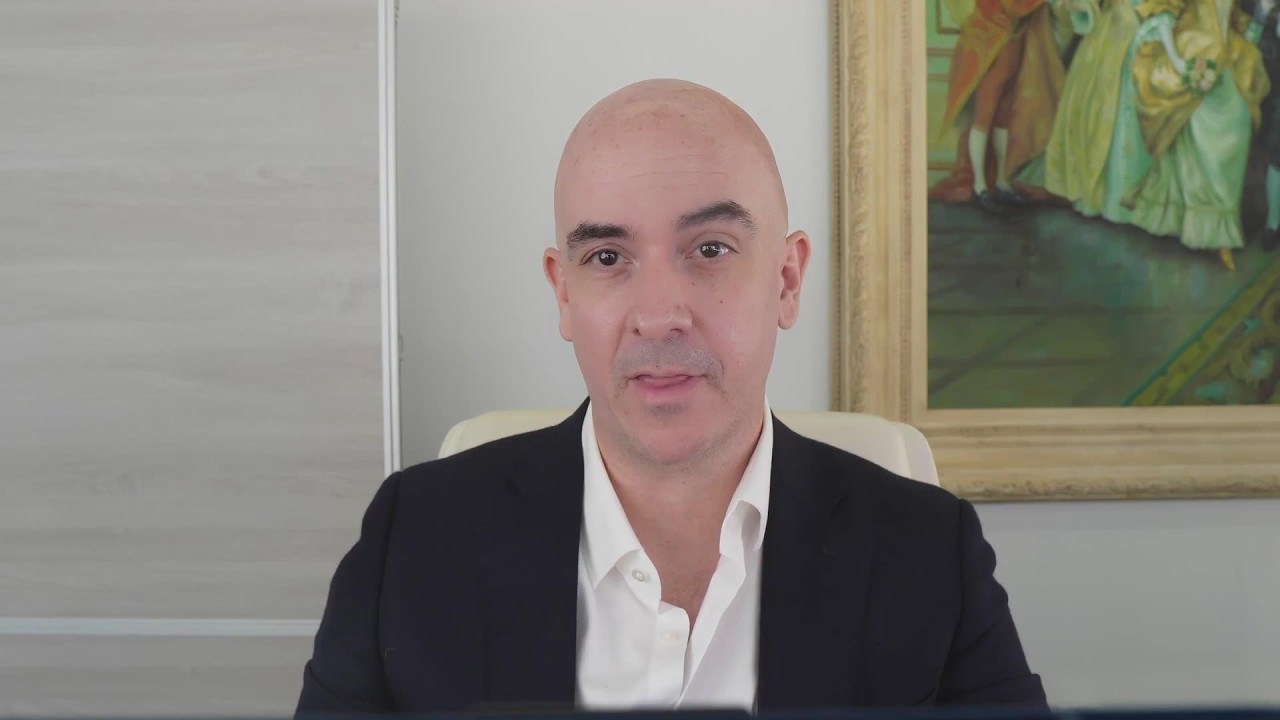
At the scene: safety, 911, and evidence
Move to safety if you can, then call 911. A police report creates an early record from someone neutral. While you wait, take photos of everything: where the cars ended up, the damage, the intersection, skid marks, traffic lights, and any injuries you can see. Get the other driver’s name, license, insurance, and plate number. Get the names and phone numbers of any witnesses before they leave.
The 14-day rule: the deadline that quietly sinks claims
This is the step people regret missing. Under Florida’s no-fault system (Fla. Stat. § 627.736), you must seek initial medical treatment within 14 days of the crash or your PIP medical benefits can be denied almost entirely. Adrenaline hides injuries; soft-tissue and spinal symptoms often surface days later. Get checked even if you feel okay — it protects both your health and your claim. We cover the no-fault system in depth in our PIP explainer.
Tell your own insurance company — carefully
Report the crash to your own insurance company promptly, as your policy requires. That is different from giving a recorded statement to the other driver’s insurer, which you are not required to do and generally should not do without advice.
Save the evidence before it disappears
Keep everything: photos, the crash report number, medical records and bills, and a simple day-by-day note of your symptoms and missed work. Do not repair or get rid of your car until the damage has been photographed and recorded. It is evidence. If a nearby business or doorbell camera caught the crash, that footage is often recorded over within days. Ask for it fast.
The early mistakes that shrink a claim
A few common ones: posting about the crash on social media, telling the insurance company’s adjuster you feel “fine,” skipping doctor visits or spacing them out, and taking a quick check before anyone knows how serious the injuries are. Each of these gives the other side something to use against you later.
When to call a lawyer
If anyone was hurt, if fault is disputed, or if an adjuster is pushing for a fast statement or settlement, it is worth a free conversation early — before the record is set. Talking to a lawyer does not commit you to a lawsuit; it just keeps your options open. See our Miami car-accident page for how these cases work.
Frequently asked questions
What should I do first after a car accident in Miami?
Get to safety. Call 911 so there is a police report. Take photos of the scene, and get the other driver's information and the witnesses' names and numbers.
How many days do I have to see a doctor after a Florida crash?
Fourteen. Under Fla. Stat. § 627.736, you must see a doctor within 14 days of the accident. If you don't, your own no-fault coverage (PIP) can refuse to pay almost all of your medical bills.
Should I tell the insurance company I feel fine?
No. Injuries often show up days later. The insurance company can use an early 'I'm fine' to argue that your injuries did not come from the crash.
Do I have to report the accident to my own insurance?
Yes. Your policy generally requires you to tell your own insurance company about the crash right away. That is different from giving the other driver's insurance company a recorded statement. You can say no to that.
How long do I have to file a lawsuit after a Miami car accident?
Generally two years from the date of the crash, under Florida's current filing deadline (the statute of limitations). That is separate from the 14-day deadline to see a doctor.
Talk to a former insurance-defense attorney
You'll speak with Emanuel Galimidi. He spent nearly two decades on the insurance side. Now he's on yours. The case review is free, and there are no fees or costs unless we recover for you.
Call 786-442-2873